7 Fall Horse Care Mistakes That Cost You the Whole Winter
Almost every autumn problem comes from the same root cause: doing summer things in fall weather. Here are the seven that catch people out every single year, and what to do instead.
Long before Sport Horse Essentials existed, back when I was still learning most of this the hard way, there was a woman at our yard called Marnie.
Nothing flashy about her setup. An older mare, a lot of hacking out, the occasional local show she never seemed nervous about.
And every single spring, while the rest of us were dealing with a rain rot patch that wouldn't clear, or a shoe that kept coming off, or a horse who'd lost more condition over winter than we'd realised, Marnie's mare came out in March looking like nothing had happened at all.
I assumed she had some trick. She didn't.
What she had was a list of things she deliberately didn't do in autumn. Habits the rest of us were carrying straight from August into November without noticing that the season underneath us had completely changed.
That list became the backbone of how we approach fall care now, and a fair bit of why our products are formulated the way they are. Two decades and a lot of horses later, the same seven mistakes still catch people out every single year.
Here they are.
Waiting for the cold before you think about the winter coat
Most people assume the winter coat comes in because it gets cold. So they don't think about it until the weather turns, which is already too late to be planning around.
The trigger isn't temperature. It's daylight.
Light hits receptors in the horse's eyes, which signal the pineal gland, which increases melatonin as the days get shorter. That hormonal shift is what tells the body to start growing a winter coat. Temperature affects how thick it ends up, but the switch is flipped by light.
Here's the part that matters. Days start shortening after the solstice in June, and coat changes lag roughly five to eight weeks behind that shift. Which means by the middle of August, when winter is the last thing on anyone's mind, the winter coat is already coming in.
Every other mistake on this list traces back to here. By the time you're riding in genuinely autumn weather, your horse has been growing a winter coat for weeks. It's insulating for a season that hasn't arrived, on a body still doing summer levels of work. That gap between the coat the horse has and the weather it's actually in is the source of nearly everything that follows.
Start treating your horse like it has a winter coat from late August, not from the first cold snap. Practically, that means:
- Groom through the coat, not over it. Curry hard enough to reach skin. A thickening coat needs the natural oils lifted and moved along the hair or it turns into a damp mat.
- Expect more sweat than the weather suggests. A mild October afternoon and a December coat is a sweaty combination.
- Assume drying takes three times longer. Plan the end of your ride accordingly, which is Mistake 02.
- Check condition by hand weekly. A long coat hides weight loss extremely well, and by the time you can see it, it has been happening a while.
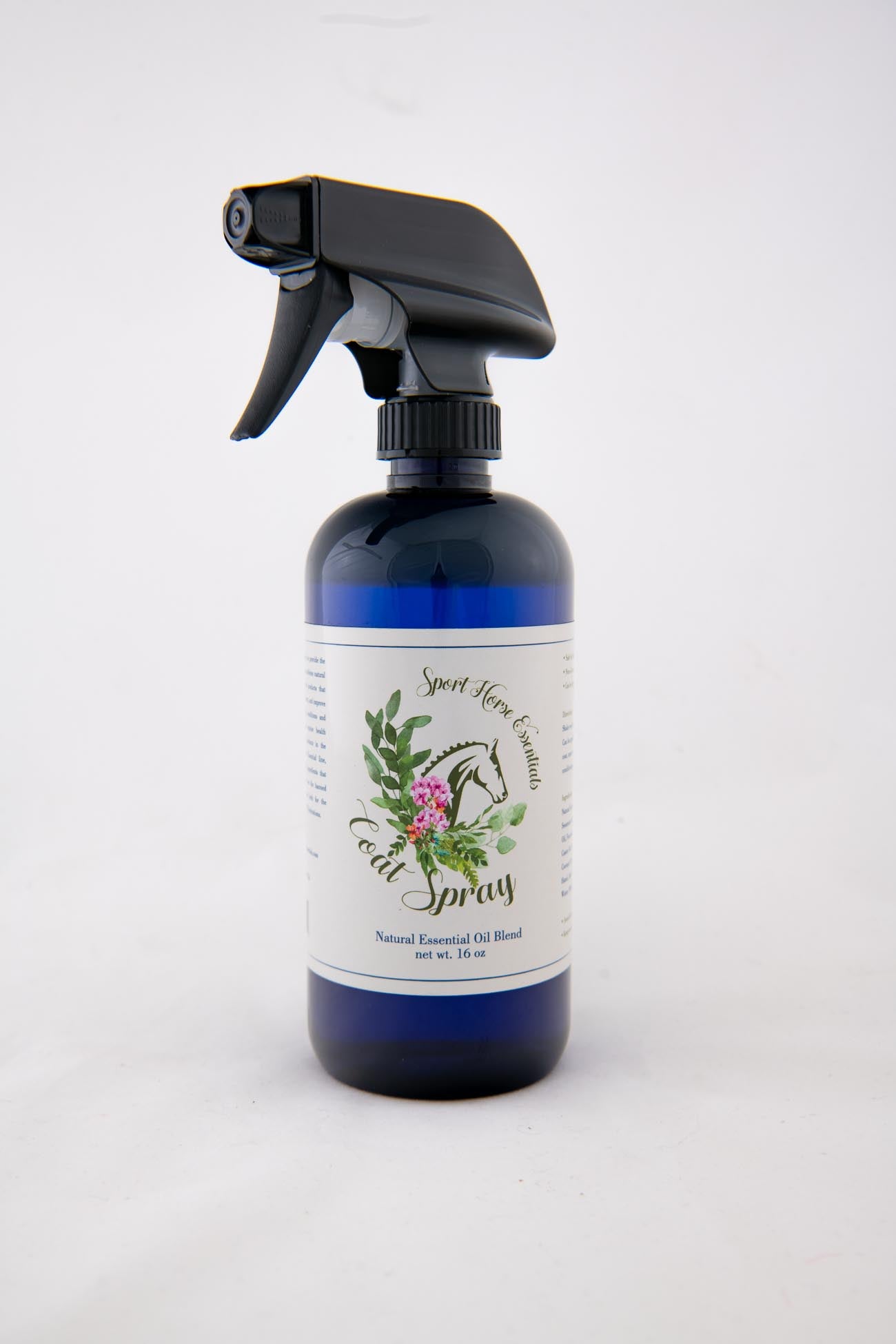
Natural oils that absorb into the coat rather than coating over it, which matters when the hair is thickening and you need it conditioned and manageable rather than dull and matted. Non-greasy, so it won't hold dirt against a coat already struggling to breathe.
Shop Coat SprayCooling out for the same length of time you did in July
In summer, a sweaty horse dries in twenty minutes. You walk them out, put your tack away, and the coat is dry by the time you're back.
In autumn, that same horse with that same amount of sweat can stay damp for hours.
The coat is longer and denser and holds water against the skin instead of letting it evaporate away. Meanwhile the air is cooler, so a wet horse standing still is losing heat fast. You end up with a horse that's damp, chilling, and carrying moisture right against the skin.
Almost everyone gets this wrong, because the horse feels cool to the hand well before the coat is actually dry. So the walking stops too early.
Cool is not the same as dry. In autumn the horse gets cool long before the coat does.
- Walk until the coat is dry to the touch, not until the horse feels cool. That's the whole change, and it's the single highest-impact thing on this list.
- Scrape and towel the wettest areas. Neck, chest, between the hind legs, under the saddle. Physically removing water beats waiting for a thick coat to evaporate it.
- Get air moving through the coat. Fingers, a curry, a rubber mitt worked against the lie of the hair. Opening it up helps far more than standing there hoping.
- Use a wicking cooler. It pulls moisture off and lets it evaporate through, which is exactly what a thick coat struggles to do alone.
- Never rug a damp horse. Trapped moisture under a blanket is one of the most reliable ways to create a skin problem.
- Pay special attention under tack. Sweat under the saddle and girth stays warm and damp longest, which is why autumn skin problems so often start there.
Looking at your horse instead of feeling your horse
This is the one that turns a three-day problem into a three-week one.
Rain rot is caused by a bacterium that lives quite harmlessly on your horse's skin most of the time. It only becomes a problem when the skin's outer layer breaks down, and what breaks it down is prolonged moisture.
Now count up what autumn brings. A longer coat that holds water against the skin. More rain. Heavy morning dew that soaks a horse before you've arrived. Sweat from conditioning work. Everything taking hours longer to dry than it did in summer.
Horses with long winter coats are at higher risk precisely because moisture gets trapped close to the skin. It isn't bad luck and it usually isn't bad management. It's the season.
And the coat that's causing it is also hiding it. A brush over the top of a thick autumn coat will tell you nothing.
The signs that show up first
Small raised bumps you feel before you see
Run your hands over the topline, quarters and along the back. Early rain rot feels like tiny lumps under a thick coat long before anything is visible on the surface.
Tender rather than itchy
Unlike a lot of skin conditions, rain rot tends not to itch. Affected areas are more likely to be sore when touched or groomed. A horse that suddenly objects to being brushed over the back deserves a proper look.
Scabs that lift with hair attached
The characteristic sign. Crusty scabs that come away bringing a tuft of hair with them, leaving a small bare patch. Don't pull them off forcibly, because that damages healthy tissue and hurts.
Trouble at the girth and pasterns
Same bacterium, different location. On the lower legs it's usually called scratches or mud fever, and it turns up where legs stay wet and muddy longest.
Get your hands on your horse every single day. Not a brush over a rug. Actual hands on skin.
- Topline, quarters, girth area, down each leg. Sixty seconds before you tack up.
- You're feeling for bumps, heat, scabs and sore spots. Not looking. A thick coat hides all four.
- Treat on the day you find it, not the day it becomes obvious. Week one is a completely different problem to week four.
- Keep the tack and rugs clean. Dirty saddle pads and blankets hold moisture and debris against skin that's already compromised.
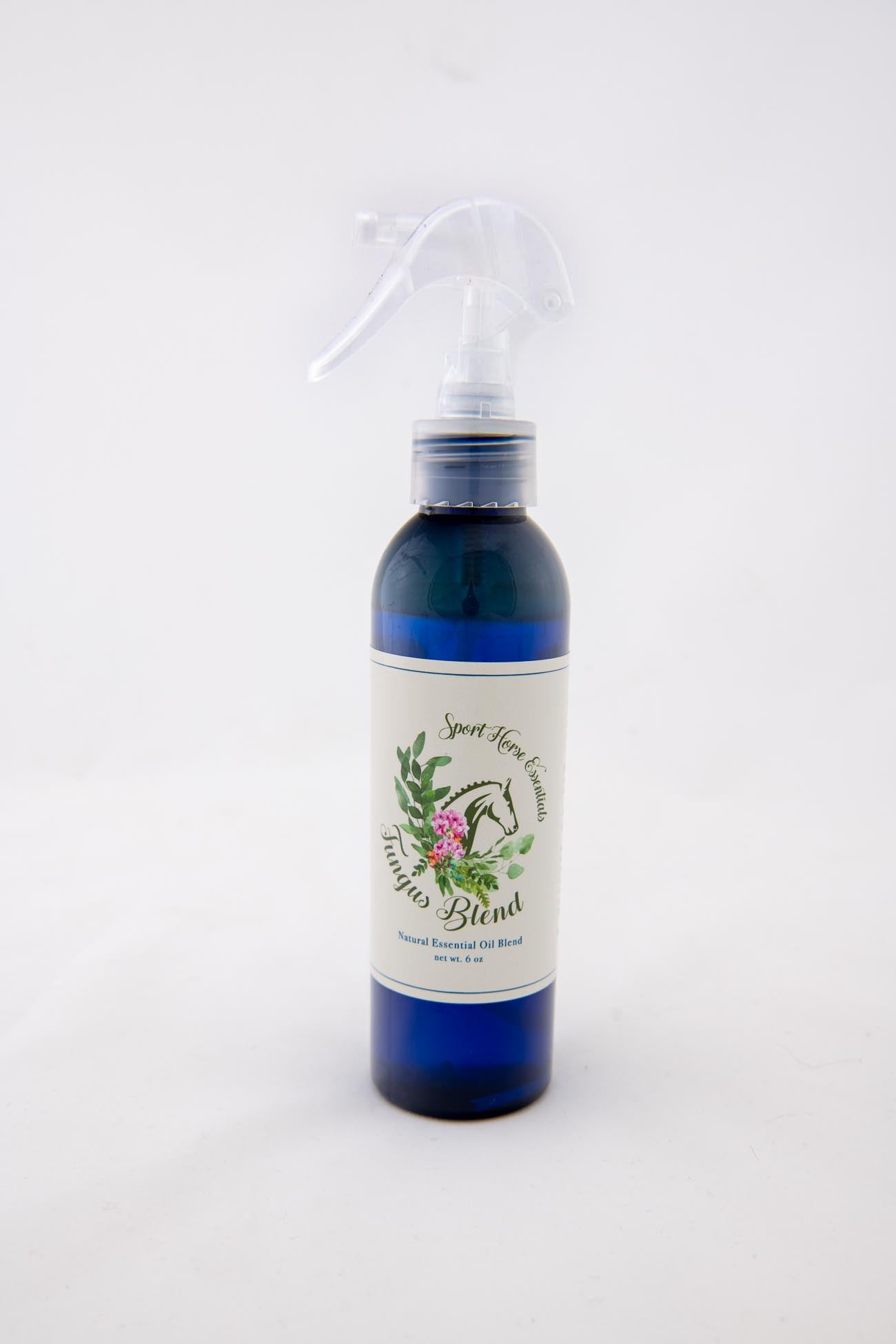
Frankincense and myrrh in a natural base, for the scabby patch on the topline or the sore heel that turns up after a wet week. Worth having in the tack room before you need it, because these things always appear on a Sunday evening.
Shop Fungus & Wound SprayLetting the hoof routine slide right when the ground turns
Autumn does something to hooves that no other season does. It can't decide what it's doing.
Summer ground is hard and dry. Winter ground is consistently wet. Autumn swings between the two, sometimes within the same day. Dew-soaked mornings, dry afternoons, then a week of rain, then it firms up again.
A hoof absorbs moisture and expands, then dries out and contracts. Do that repeatedly and the structure weakens, which is where the chips, cracks and pulled shoes come from. It's why a hoof that held up perfectly all summer can start falling apart in a fortnight when the weather turns.
The wet half brings the second problem. A softened hoof is more porous, and the grooves either side of the frog pack up with wet mud that seals out air. The bacteria behind thrush can't survive around oxygen, which is exactly why they set up in the one place on the hoof where air struggles to reach.
Because thrush bacteria die when exposed to air, every bit of muck you dig out of those grooves is actively killing them. Picking feet properly isn't tidying up, it genuinely is part of the treatment. Which makes the ninety seconds per foot the highest-return ninety seconds in your day.
- Pick out properly, every day. Not a quick scrape. Get down the full depth of the middle groove and both side grooves.
- Smell the foot while it's in your hand. You'll catch a change days before you can see one.
- Thumb the frog. Firm and rubbery is what you want. Squishy means something is starting.
- Oil daily, the whole foot. Wall, coronary band, sole and into the grooves. The goal isn't adding moisture, it's evening out how sharply the hoof swings between soaked and dry.
- Talk to your farrier before the weather turns. A conversation in September beats an emergency call in November.
- Fix the wettest ground first. Gateways, around the trough, the shelter doorway. That's where they stand longest.
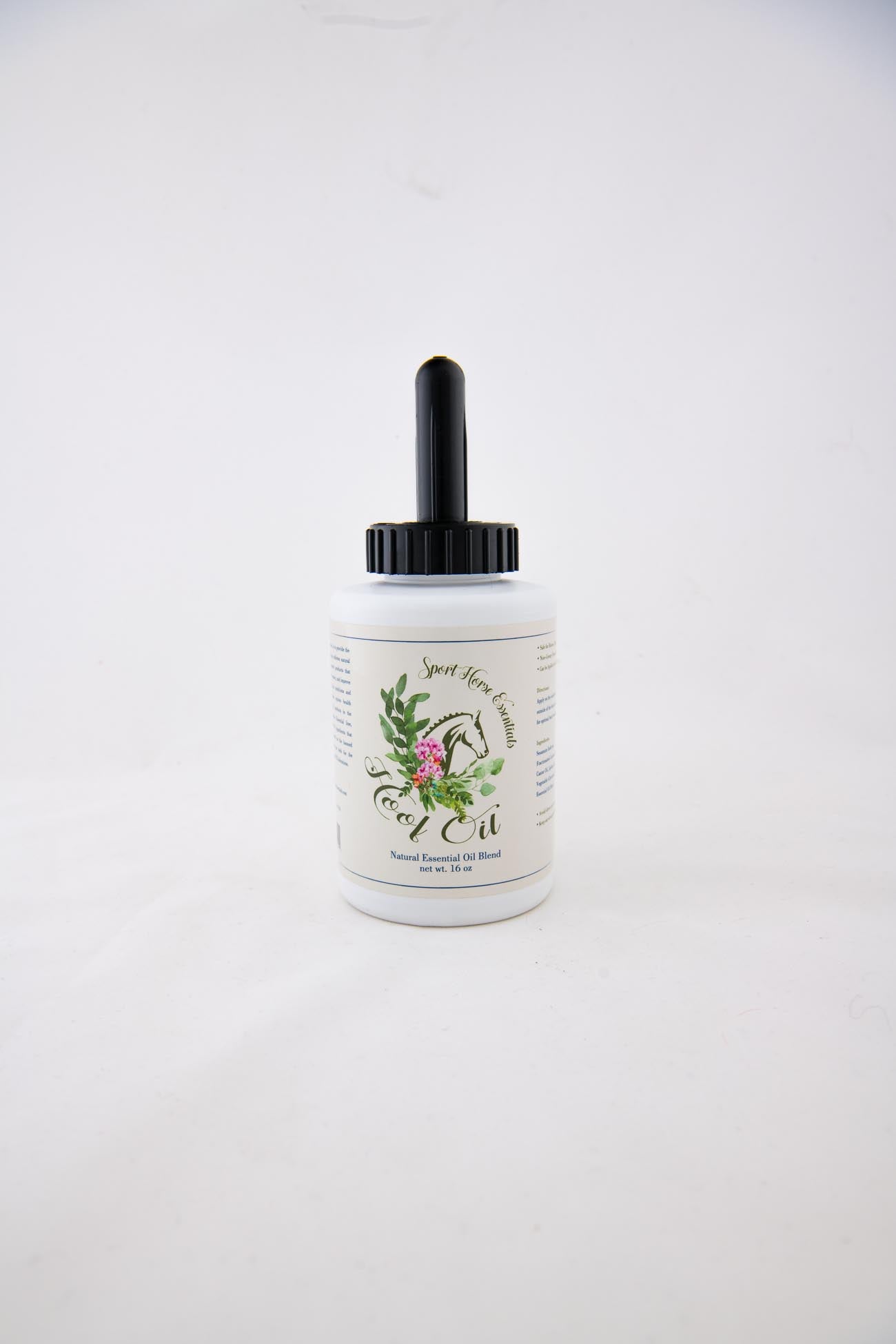
Natural essential oils in a carrier oil base that soaks into the hoof rather than sitting on it. Kills thrush, hardens hooves and grows out cracks, without stinging or drying out the foot it's meant to be protecting. Available in a gallon, which is where most people end up once daily use becomes a habit.
Shop Hoof OilPutting the fly spray away in September
The temperature drops a bit, the worst of the summer swarms thin out, and the bottle goes to the back of the shelf.
In much of the country flies stay active right up until the first frost, which often means October or into early November. That's weeks of assumed safety that isn't actually safe.
And autumn brings a specific problem that summer doesn't.
Bot fly populations surge as summer progresses, making August through October their most aggressive egg-laying window. Those tiny yellow eggs stuck to the legs and shoulders get licked off, hatch in the mouth, and the larvae overwinter in the horse's stomach. Autumn is when your horse picks up most of them, which is why fall fly control and a well-timed dewormer after the first hard frost work as a pair.
There's a knock-on effect too. A horse being pestered stomps, swishes and fidgets. Stomping stresses the hoof and loosens shoes, which matters more now that the ground is softening. And a horse that won't stand quietly through a long autumn cool-out is a horse that stays damp for longer, which loops you straight back to Mistake 02.
- Keep spraying until the first proper frost. Not until it feels like the flies have gone.
- Check legs and shoulders for bot eggs. Tiny yellow specks stuck to the hair. Remove them with a bot knife or grooming block, and wash your hands after.
- Talk to your vet about timing a bot-effective dewormer for after the first hard frost, once the adults have died off.
- Think about what you're spraying indoors. Autumn means more time in stalls and barns. A chemical fume load in an enclosed space is worse for the horse and worse for you, since you're the one standing in the cloud.
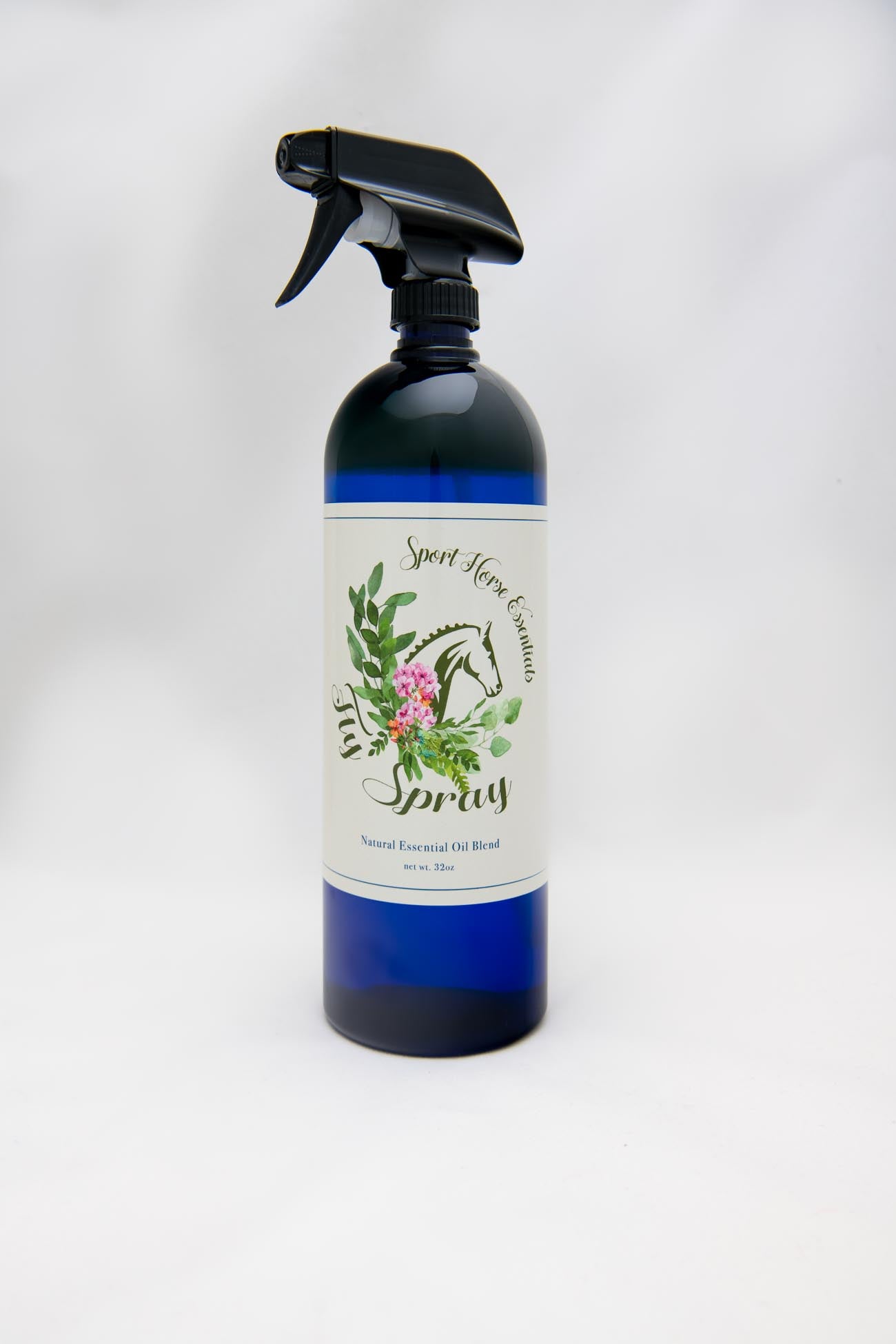
A hundred percent natural, which matters more in autumn when you're spraying in a barn rather than out in the open. No chemical fumes to breathe in, and the essential oil base conditions rather than dries the coat it lands on.
Shop Fly SprayDeciding it's too cold to bathe and then just leaving it
There's a specific afternoon every autumn where you finish a ride, look at a sweaty horse, look at the hose, and think: absolutely not.
You're right to hesitate. A soaked winter coat takes hours to dry, a wet horse standing in cold air loses heat quickly, and you've just added a large amount of water to skin that's already spending too much time damp.
The mistake isn't skipping the bath. It's what happens next, which is usually nothing.
Horses don't stop needing to be clean just because bathing became impractical. They still sweat under tack. They still lie down in something unspeakable overnight. Greys still find the one muddy patch in a clean paddock and wear it like a badge.
Sweat and dirt left sitting in a thick coat is exactly the microclimate the skin problems in Mistake 03 thrive in. So "leave it until spring" quietly becomes the cause of the thing you'll be treating in January.
The answer isn't bathing more carefully. It's cleaning without soaking the horse in the first place.
- Switch to spot cleaning. Deal with the stain, the sweat mark, the manure patch, without wetting an animal that will take until tomorrow to dry.
- Do it the same day. Sweat that sits overnight in a thick coat is the problem, not the sweat itself.
- Pay attention to under tack and between the hind legs. The areas that stay wettest longest are the ones worth cleaning first.
- Keep it somewhere you'll actually reach for it. In the grooming tote, not in a cupboard. This becomes a daily tool from now until spring.
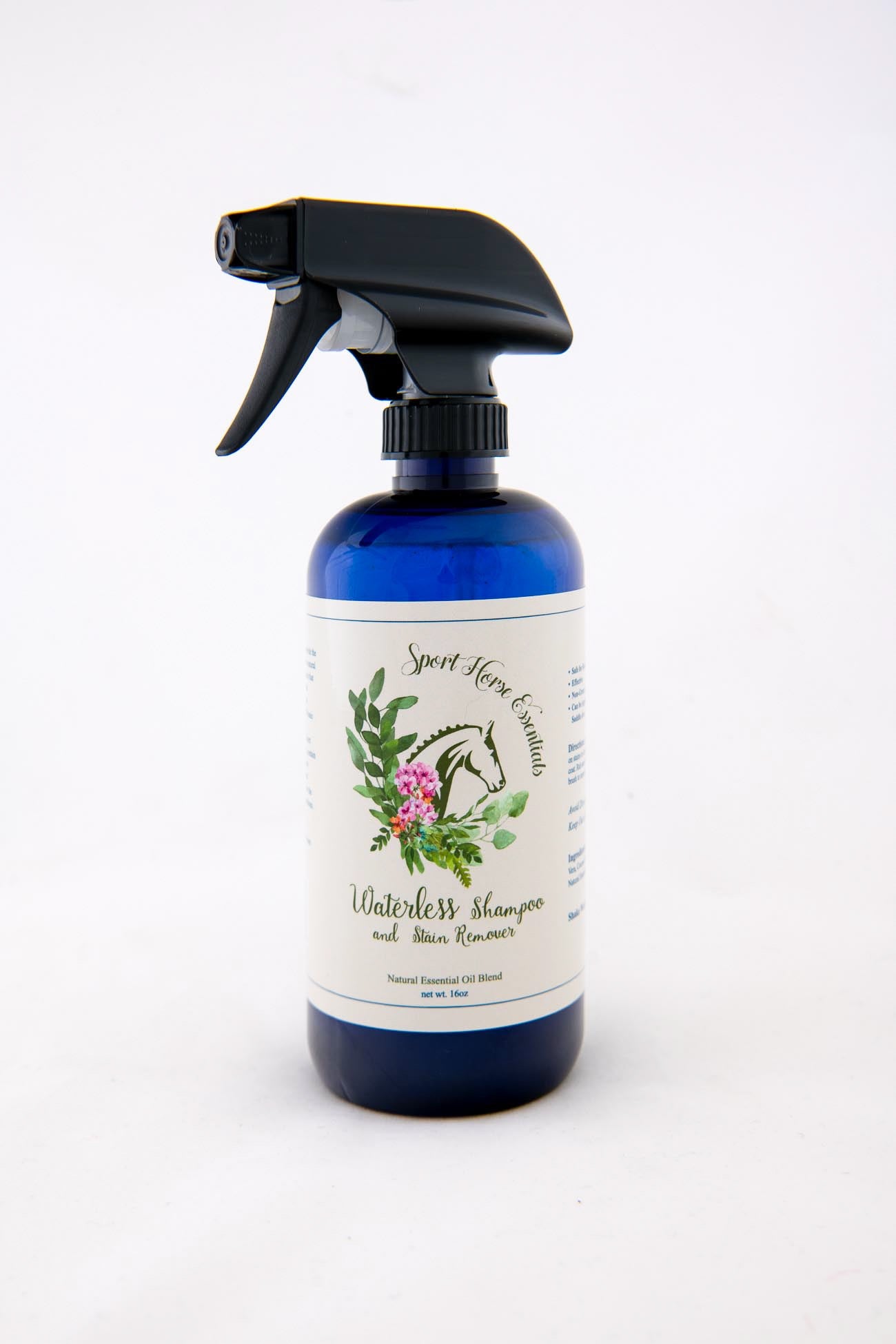
Aritha powder, a plant-derived natural cleanser, so you can lift stains and sweat marks without a hose anywhere near your horse. Spray, work in, wipe off. This is the product that quietly becomes the most used thing in the tack room between October and March.
Shop Waterless ShampooDoing too much because the weather finally feels good
After a summer of riding at seven in the morning to beat the heat, autumn feels like a gift. The air is cool, the horse is forward, the footing has softened from summer concrete but hasn't turned to soup yet.
So people ramp up. More often, and harder, and both in the same week.
Which is how a horse that had a quiet summer ends up sore, or worse, in the middle of the nicest riding weather of the year.
- Be honest about where the horse actually is. How's the breathing after ten minutes of trot? How fast does the heart rate settle after a canter set? A quiet summer is a quiet summer.
- Build the base before the intensity. The first two or three weeks should be about time and consistency, not effort. Longer walking, steady trot, hill work if you have it.
- Increase one thing at a time. Duration or intensity, never both in the same week. This is the mistake the good weather makes easy.
- Warm up and cool down for longer. Muscles take more time to loosen in cold air, and the cool-down now has a thick coat to deal with.
- Watch the recovery, not just the session. A horse responding well recovers quickly and comes out loose the next day. Sore, dull or slow to recover means the progression outran the fitness.
- Keep variety in it. Groundwork, poles, lunging, hacking. A routine that only works in the arena falls apart the first wet week.
The whole list on one page
| The mistake | What it causes | What to do instead |
|---|---|---|
| Waiting for cold to think about the coat | Caught off guard by sweat and slow drying | Treat it as a winter coat from late August |
| Cooling out like it's still July | Damp horse, chilling, moisture on skin | Walk until the coat is dry, not until the horse is cool |
| Looking instead of feeling | Rain rot found in week four, not week one | Hands on skin daily, treat the day you find it |
| Letting the hoof routine slide | Cracks, lost shoes, thrush taking hold | Pick properly and oil daily, all four feet |
| Putting fly spray away in September | Bot eggs, stomping, restless horses | Keep spraying until the first frost |
| Skipping cleaning because you can't bathe | Sweat and dirt sitting in a thick coat | Spot clean without water, same day |
| Ramping up because the weather is nice | Soreness or injury in the best riding month | Increase duration or intensity, never both |
The daily routine that covers all seven
- Hands over the whole horse before you tack up. Topline, girth, quarters, down each leg. Feeling for bumps, heat, scabs and sore spots the coat is hiding. Sixty seconds.
- Pick out all four feet, properly. Full depth of the grooves. Smell the foot. Thumb the frog. Then oil the whole thing including the coronary band.
- Groom through the coat, not over it. Curry hard enough to reach skin. Doubles as your second skin check.
- Ride the plan, not the weather. One variable at a time.
- Cool out for longer than feels necessary. Dry to the touch. Scrape and towel the wet patches. Never rug a damp horse.
- Spot clean what needs it, so nothing sits damp against skin overnight.
- Fly spray until the frost, then sort the dewormer timing with your vet.
When to stop managing it yourself
Most autumn problems are manageable at home if you catch them in week one. These aren't.
Earlier is cheaper, and in autumn things move faster than you expect.
- Any lameness, however slight, that doesn't resolve within a day
- Skin lesions spreading quickly, or covering large areas of the body
- Sores or scabs that are hot, swollen, weeping, or that the horse won't let you near
- A skin condition that hasn't clearly improved after ten to fourteen days of consistent treatment
- Any swelling in a lower leg alongside skin or hoof problems
- Weight or muscle loss you find with your hands under the coat
- Persistent coughing or laboured breathing during work, especially once horses are stabled more
- A horse that stops recovering normally between sessions
That weight loss point deserves emphasis. A thick winter coat is very good at hiding a horse dropping condition. Get your hands on the ribs and topline weekly, because by the time you can see it through a fall coat, it has been going on a while.
Autumn isn't the end of the season
I asked her about it eventually. Not for years, mind you, and by then I was already deep enough into natural horse care that I should have worked it out myself.
She said something that has shaped how we think about autumn ever since. That everyone treats fall like the end of the year, when it's actually the beginning of the next one.
That idea is baked into everything we make now. The skin problems you prevent in November are the ones you're not treating in January. The hooves you keep steady through the wet and dry swings are the hooves that don't need growing out in spring. The condition you protect under a thick coat is condition you don't have to put back on.
We've spent the years since building products for exactly that job. Not for fixing things after they've gone wrong, but for the daily, unglamorous work that stops them going wrong in the first place.
None of it is dramatic. It's a longer cool-out, hands on the horse every day, feet picked properly, and not letting the routine slide just because the weather did.
Six weeks of that right now sets up the six months after it.
One system for the whole fall routine.
Coat, hooves, skin, flies and cleaning without a hose. The five things autumn asks of you, in one box, all natural.
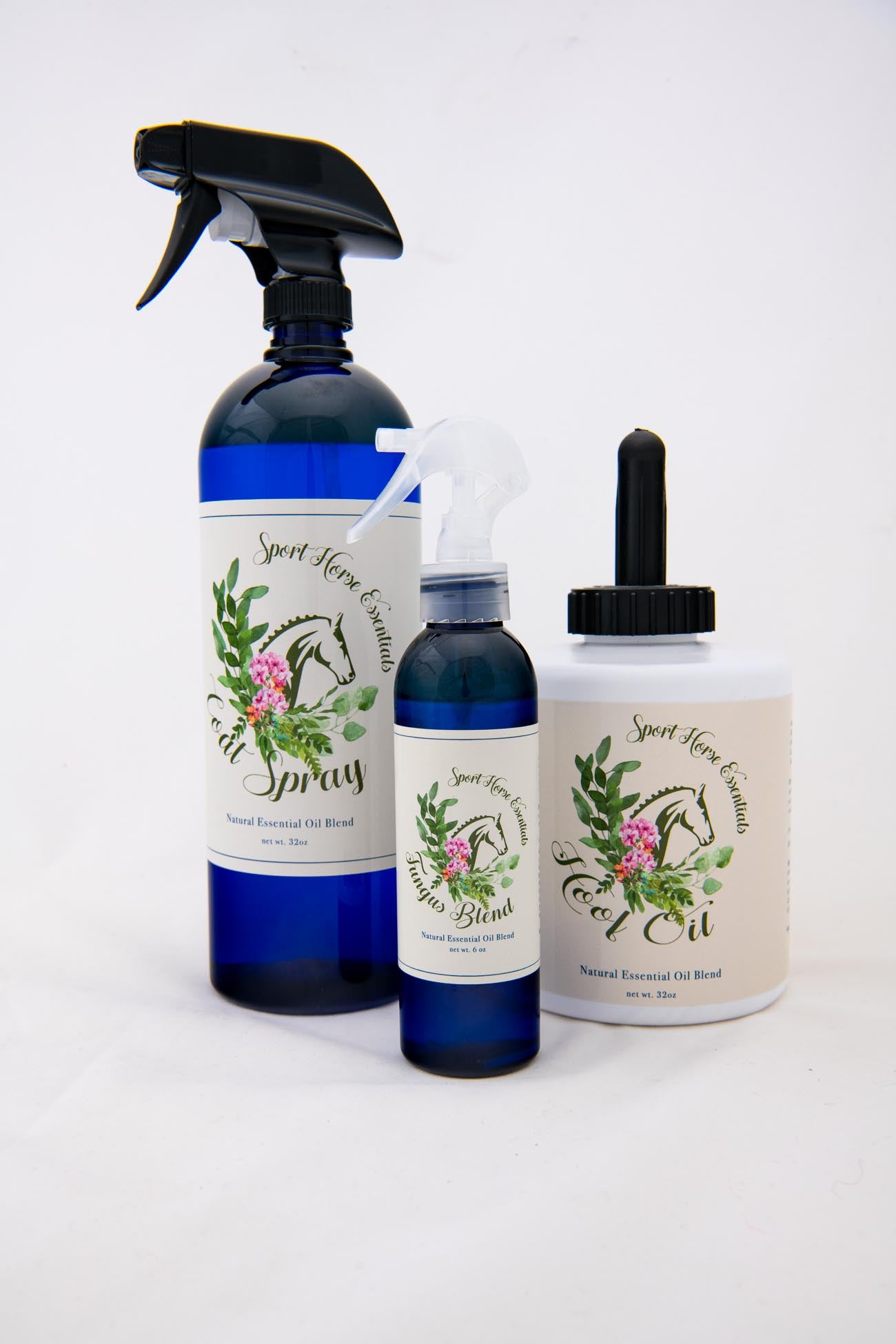
Every product mentioned in this article, bought together. Nothing to work out, nothing missing in November when you need it, and one order instead of five.
- Hoof Oil for the daily foot routine through the wet and dry swings
- Coat Spray to keep a thickening coat conditioned and manageable
- Fungus & Wound Spray for the scabby patch that turns up after a wet week
- Waterless Shampoo for every day the hose is no longer an option
- Fly Spray to carry you through to the first frost
All natural. Always. Made in the USA.
Questions? sporthorseessentials@gmail.com or (561) 855-1936
