The Danish Perspective: What Three Weeks in Europe Taught Us About the Biological Standard
My mom just got back from three weeks in Denmark with a phone full of stable photos... and a completely blown mind. What she saw is changing how we think about clipping, bathing, and shine — and it's the philosophy behind everything we make.
If you've been following along this week, you already know the backstory.
Mom just got back from three weeks in Denmark with a phone full of stable photos... and a completely blown mind.
For anyone landing here for the first time — my mom is the reason Sport Horse Essentials exists. Full stop. Back in 2014, she handed me an essential oil and basically changed the entire trajectory of my life. A rabbit hole I fell into so completely that finding my way back wasn't really an option.
Nor did I want it to be.
That one conversation became a product line. A philosophy. This community.
So when she spends three weeks quietly absorbing everything she can about how horses are cared for in Europe? I take notes.
What she brought back isn't just interesting. It's the kind of thing that makes you look around your own barn differently. It challenges what we've been taught to call "good horsemanship"... and in some cases, what we've been taught to call beautiful.
Here's what she saw.
Why Nobody's Reaching for the Clippers Over There
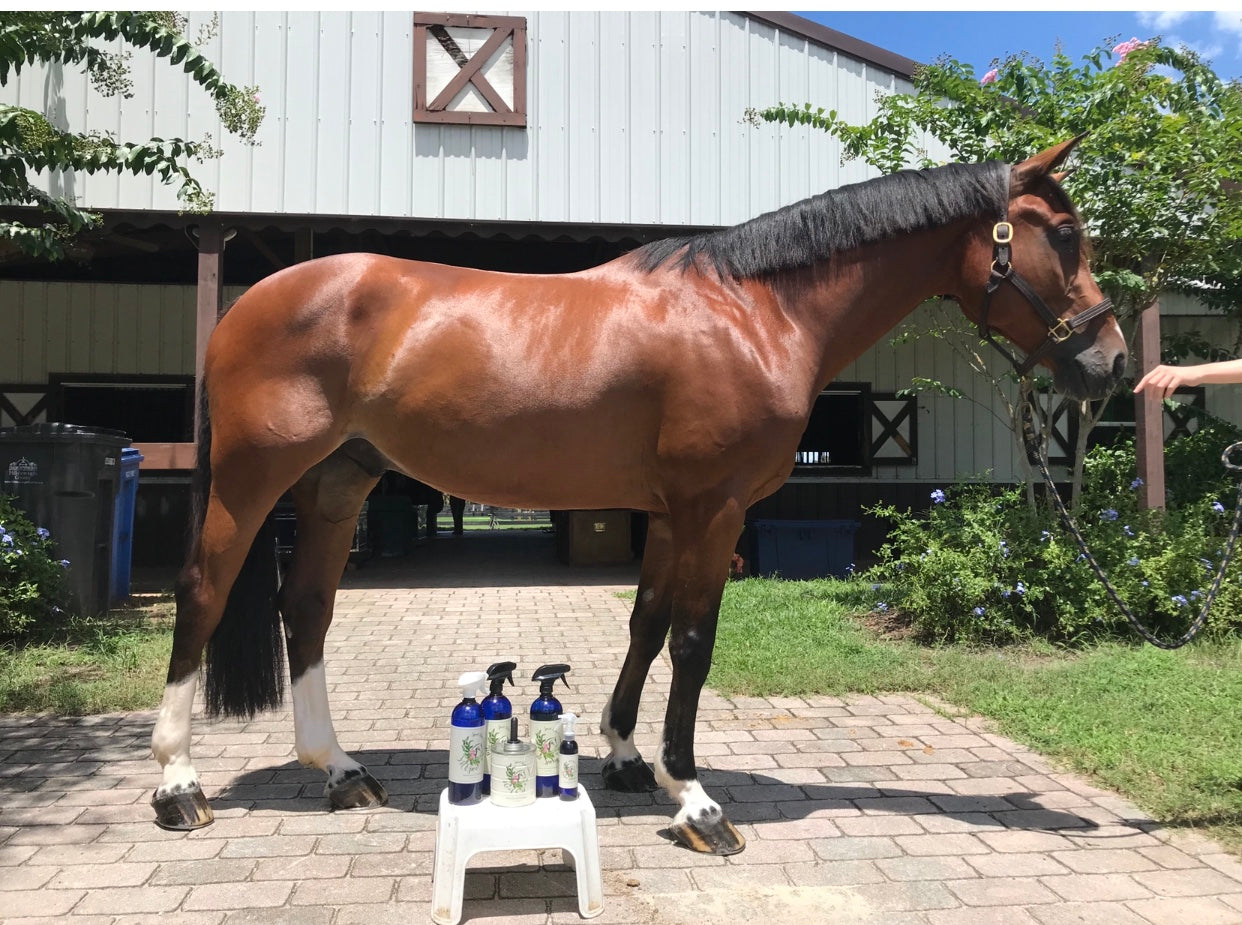
Here in the US, we're conditioned to love a chiseled silhouette.
Muzzle whiskers? Gone. Ear hair? Cleaned up until the edges are perfectly smooth. Extended bridle path carved out to make that neck look longer and leaner.
Most of us have been doing it so long we don't even question it anymore.
In Denmark, they question it. Loudly.
Clipping those sensory hairs isn't just frowned upon over there. It's forbidden. The Danish equestrian community, backed by strict veterinary welfare standards, treats those whiskers as the crucial anatomical tools they actually are.
Because that's exactly what they are.
A horse uses those muzzle vibrissae to navigate the blind spots directly under their nose, gauge distance, and sort through forage. The hair inside their ears isn't messy... it's a biological net that filters out debris and biting insects.
When mom stood ringside and watched elite, million-dollar warmbloods stepping off trailers with full whiskers and natural ears... something clicked.
They weren't trying to sculpt the horse into a perfect silhouette.
They were letting the horse's own biology do exactly what it evolved to do.
The most "finished" looking horses in those Danish barns weren't the ones with the most done to them. They were the ones with the least taken away.
The Barn That Almost Never Bathes
In America, the wash stall is practically the center of barn culture.
Horse is sweaty? Grab the hose. Rolled in something questionable? Hose. Pre-show? Definitely hose. Bored on a Tuesday?
...Hose.
But here's what most of us don't think about when we're reaching for that shampoo.
Water strips. Harsh synthetic detergents strip even more. Every time we bathe, we're washing away the horse's natural sebum — those protective oils the skin produces — that act as an invisible shield against rain, mud, and bacteria.
Denmark's climate is wet and saturated, and that reality shaped their entire approach to coat care.
Instead of hosing, Danish caretakers rely on deep, vigorous currying. Friction lifts the dirt to the surface while actively redistributing the horse's own oils across the hair shaft to naturally waterproof the coat.
They strengthen it.
This is exactly why our Waterless Shampoo & Stain Remover exists. Because there will always be that moment — right before a ride, right before a lesson — when your horse has somehow found the one green spot in the entire paddock and rolled directly onto it.
You shouldn't have to give them a full bath and strip their entire biological shield to handle that. You should be able to lift the dirt... and leave the protection right where it belongs.
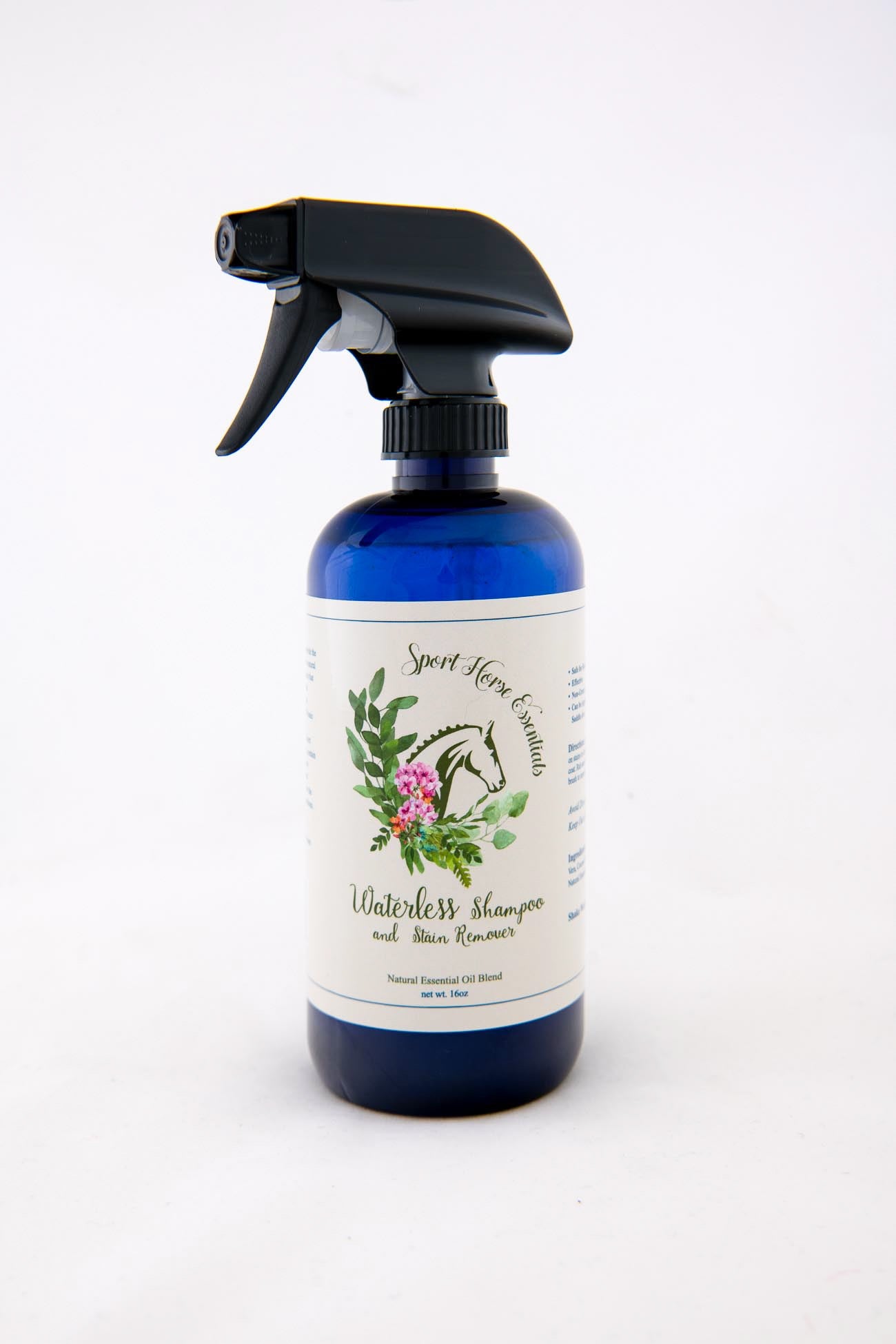
Lifts dirt and stains without a full bath — and without stripping the natural sebum your horse's skin worked all week to build back up.
Shop Waterless ShampooThat Shine You Can't Get From a Bottle
This one might be the hardest to describe. But once you see it, you'll know exactly what mom means.
In the US, show prep often involves reaching for a silicone spray. We coat the hair shaft, polish the surface, make the horse gleam under the arena lights.
And it works. Until it doesn't.
That silicone finish suffocates the skin underneath. It turns into a greasy dust magnet the second they step outside. It washes off in the rain and leaves you starting over.
In Denmark, the shine is earned differently.
It comes from premium nutrition. From relentless, daily grooming. From a deep respect for what the skin's natural balance looks like when you stop interfering with it.
The result is this... bloom. A lit-from-within quality that doesn't have a spray equivalent. Mom kept trying to describe it and kept landing on the same word.
Alive.
It's the exact philosophy behind everything we formulate here at Sport Horse Essentials.
No petroleum. No silicone. No coating over the surface.
We use natural carrier bases like Sesamum Indicum oil — molecules small enough to actually pass through the dense layers of hair and skin — because we're not trying to paint the outside. We're trying to feed the tissue underneath it.
That's the difference.
What We're Really Building Here
Listening to mom describe these stables, I kept coming back to the same thought.
What we're doing here isn't just building a "natural alternative" to the chemical sprays on the barn shelf.
One that says the most beautiful horse is the healthiest horse. That biological integrity isn't something to work around... it's something to protect.
Mom brought back more than I can fit into one post, and I'll be sharing more of these European insights over the coming weeks with practical ways to apply them to your own barn.
But for now?
Put the clippers down.
Let the natural barrier do its job.
Getting the Most Out of What's Already in Your Barn
Most of you already have at least one of these products in your routine. But after everything mom brought back from Denmark... I wanted to share the full layering protocol.
Because the order you apply these actually matters more than most people realize — and there's a good chance you're leaving results on the table without even knowing it.
Before anything else can actually absorb, you need to clear the runway. Give the horse a thorough cleanse to remove the built-up silicone film and petroleum residue left by legacy products. Think of it like clearing old paint before a fresh coat. The botanical formulas can't penetrate what they can't reach.
Apply the 32oz Hoof Oil directly to the clean hoof wall, sole, and frog. Unlike thick pine tar — which traps moisture and creates a bacteria breeding ground — this formula passes deep into the dense keratin layers and settles into the sulcus grooves around the frog, eliminating thrush bacteria at the source while keeping the hoof flexible through seasonal changes.
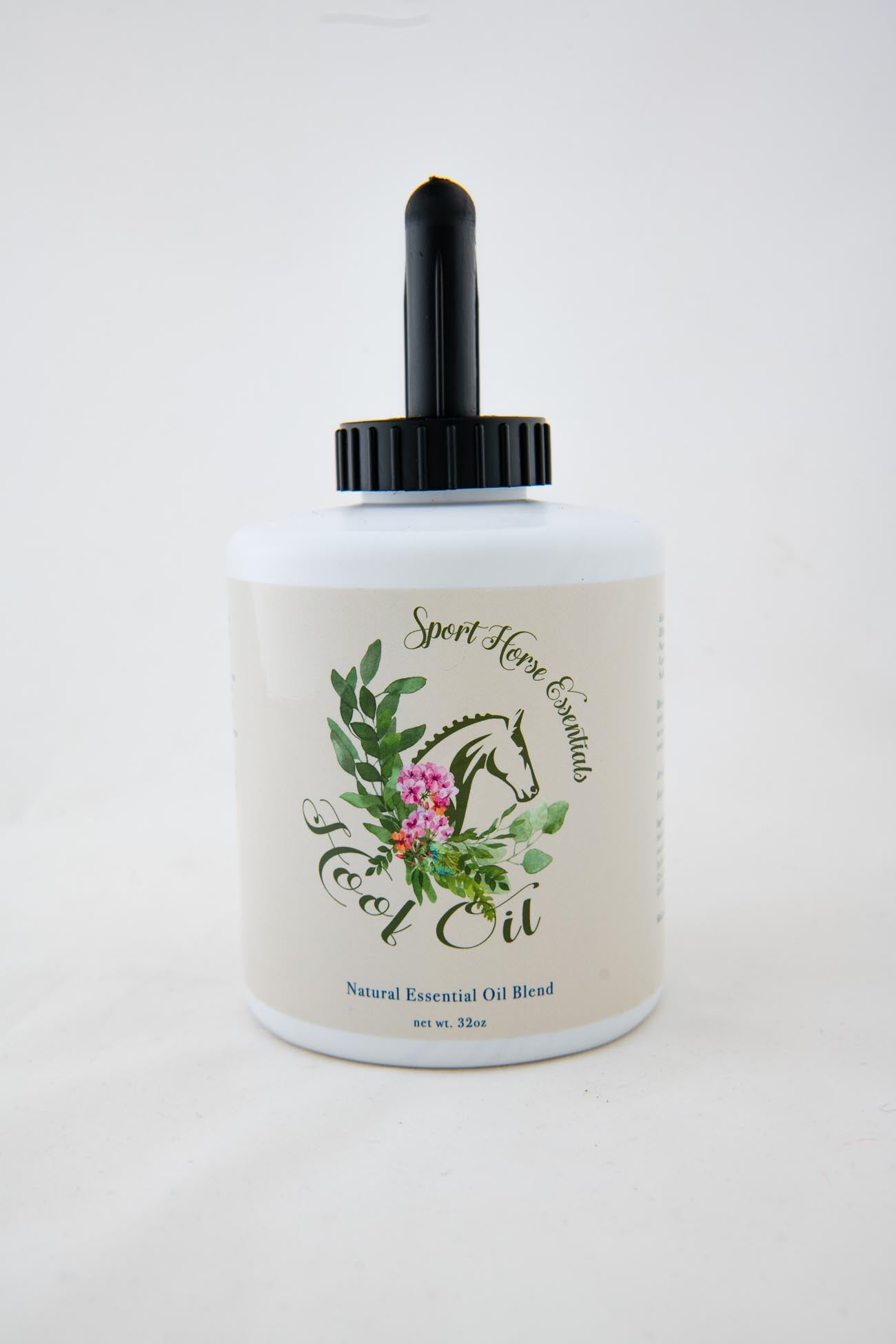
Penetrates the keratin layer and the sulcus grooves — conditions and eliminates thrush bacteria at the source.
Shop Hoof OilMist the 32oz Coat Spray across the neck, body, and hindquarters. This is the foundation of the Primer Strategy — feeding the skin's microbiome and strengthening the barrier rather than coating over it. The result is a deeply hydrated, dry-touch surface that prepares the coat for the next step.
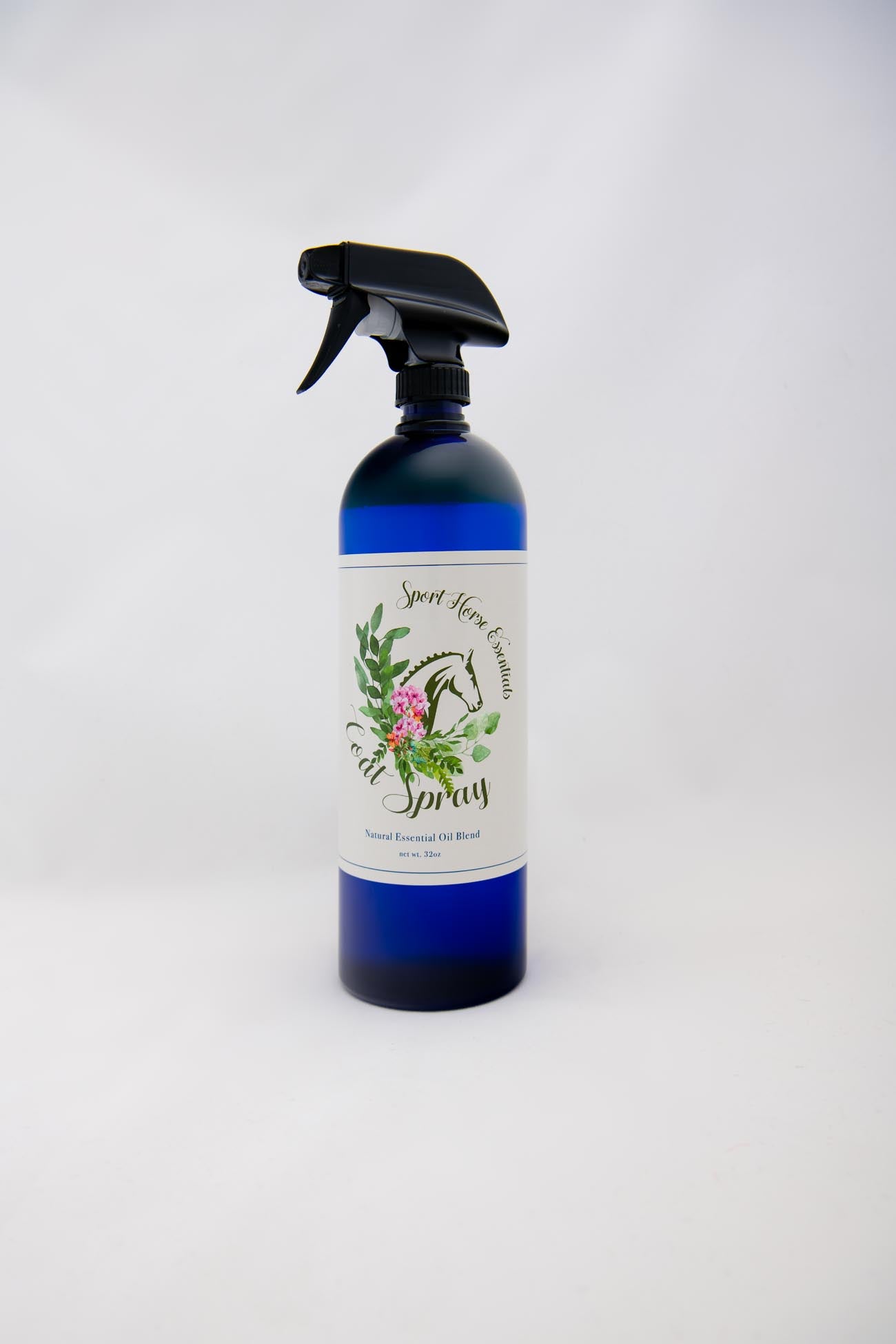
Feeds the skin's microbiome and strengthens the barrier. Leaves a deeply hydrated, dry-touch surface — not a coating.
Shop Coat SprayImmediately follow with the 32oz Fly Spray. Because the hair shaft was just hydrated and primed, the pure essential oils cling to the coat significantly longer — no chemical fixatives needed. Lasting protection without the flinching, coughing, or skin irritation that comes with conventional sprays.
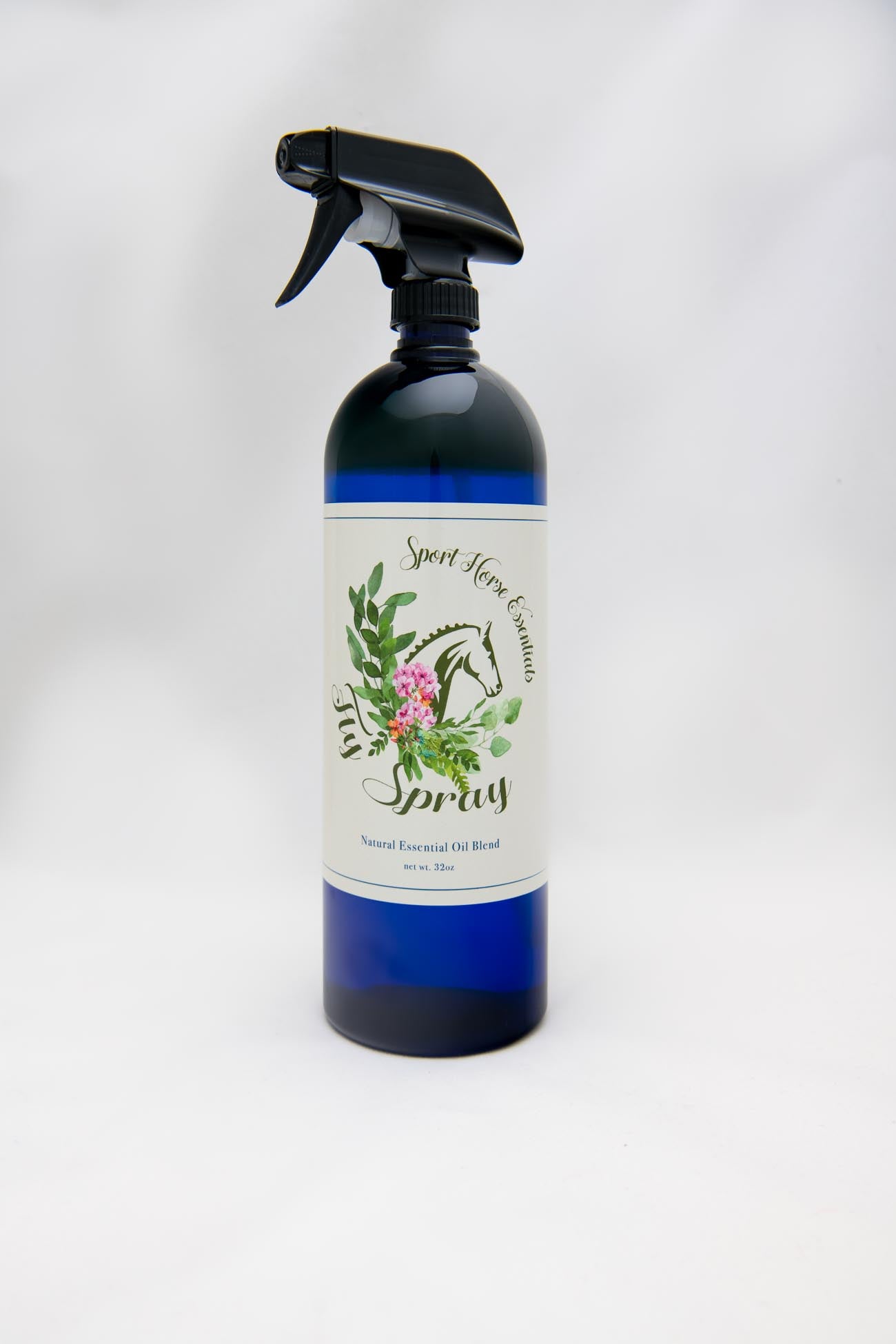
Applied onto primed, hydrated hair — pure essential oils cling longer with no chemical fixatives. No flinching, no coughing.
Shop Fly SprayFor any areas dealing with rain rot, scratches, or minor wounds, apply the 6oz Fungus & Wound Blend directly to the skin. This acts as a localized emergency shield — eliminating fungal spores and bacteria at the source without stinging or stripping the horse's own protective oils in the process.
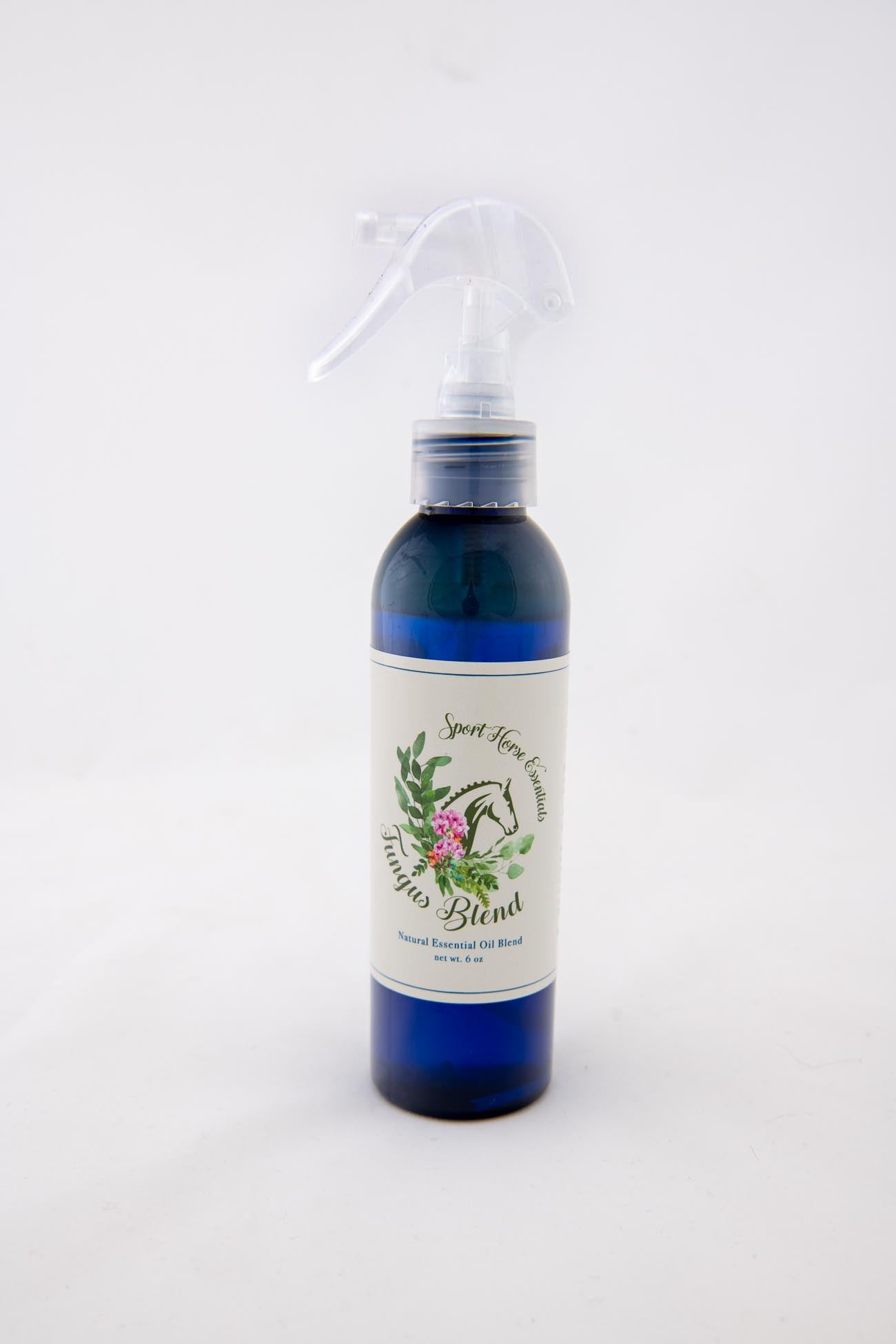
A localized emergency shield for rain rot, scratches, and minor wounds — no sting, no stripping of natural oils.
Shop Fungus & Wound SprayTwo Weeks. That's the Window.
Commit to this routine for two weeks.
Within that window, the horse's natural sebum production will begin to rebalance. The coat will start expressing that inside-out quality we talked about earlier. Not from a bottle. Not from a spray.
That's the whole point.
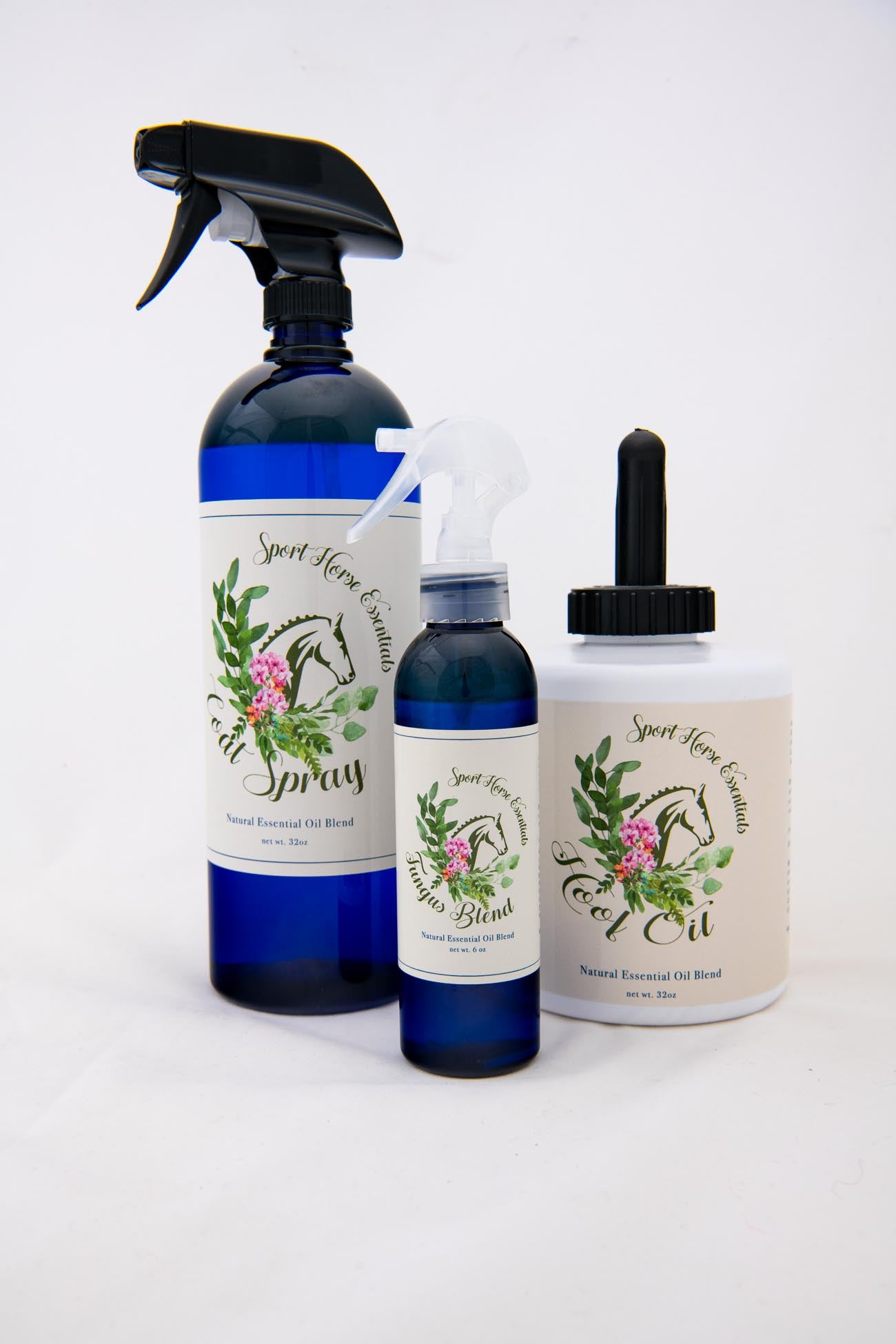
The SHE Shine Package
Coat Spray, Hoof Oil, and Fungus Blend — the core of the protocol above, bundled together. Everything you need to start the two-week reset this week.
Frequently Asked Questions
What is the "biological standard" for horse coat care?
The biological standard is an approach to horse care that works with the horse's own biology — natural sebum production, the skin's microbiome, and sensory hair like whiskers and ear hair — rather than overriding it with synthetic coatings, silicone sprays, or unnecessary clipping. Instead of polishing or sealing the surface, products and routines are chosen to feed, condition, and support the tissue underneath so the horse's own systems can do what they evolved to do.
Why do European horses often have better coats than horses in the US?
In many European stables, especially in Denmark, horses are bathed far less frequently and are not clipped of sensory hairs like muzzle whiskers or ear hair. Instead, caretakers rely on deep, vigorous daily currying to lift dirt while redistributing the horse's natural sebum across the coat. This preserves the skin's protective oil barrier rather than repeatedly stripping it with water and detergent, which over time produces a deeper, healthier shine that comes from the skin itself rather than a topical product.
Why is bathing too often bad for a horse's coat?
Water and synthetic shampoos strip sebum, the natural oil the horse's skin produces to waterproof the coat and protect against bacteria, mud, and rain. Frequent bathing removes this protective layer faster than the skin can replenish it, leaving the coat drier and the skin more vulnerable. Using a waterless shampoo for spot-cleaning, and relying on thorough currying for everyday dirt, helps preserve this natural barrier instead of repeatedly washing it away.
Why shouldn't you clip a horse's muzzle whiskers and ear hair?
Muzzle whiskers (vibrissae) are sensory organs that help a horse navigate blind spots directly beneath its nose, judge distance, and sort through forage. Ear hair acts as a natural filter against debris and biting insects. Removing them for a cleaner show appearance takes away functional anatomy the horse relies on. In Denmark, clipping these sensory hairs is prohibited under veterinary welfare standards for exactly this reason.
What's the difference between a silicone coat spray and a natural absorbing coat spray?
Silicone-based sprays sit on top of the hair shaft, creating an artificial shine by coating the surface. This film can suffocate the skin underneath, attract dust, and wash off in the rain. A natural coat spray made with carrier oils like Sesamum Indicum (sesame) oil uses molecules small enough to absorb into the hair and skin, feeding the tissue and supporting the skin's microbiome rather than sitting on top of it. The resulting shine comes from a healthier coat itself, not a topical film.
What order should I apply natural grooming products in?
For a natural layering routine: start with a thorough cleanse to remove any old silicone or petroleum residue so new products can absorb. Apply hoof oil to the clean hoof wall, sole, and frog first. Next, mist coat spray across the body to hydrate and prime the skin and coat. Immediately follow with fly spray while the coat is still primed, since the essential oils cling longer to hydrated hair. Finally, treat any specific problem areas — like rain rot, scratches, or minor wounds — with a targeted fungus and wound spray.
How long does it take to see results from a natural grooming routine?
Most horses begin showing a visible shift within about two weeks of consistent daily application. Within this window, the skin's natural sebum production starts to rebalance after being stripped by harsher products, and the coat begins to express a healthier, lit-from-within quality that comes from the horse's own biology rather than a topical product.
